
How to Efficiently Remove Construction Debris from Your Site


Introduction
Efficiently removing construction debris from your site is crucial for maintaining safety and ensuring a smooth workflow. With the right strategies and tools, you can streamline the cleanup process and minimize disruptions. In this guide, we’ll explore some effective methods to tackle construction debris.
Planning and Preparation
Before starting the cleanup process, it's essential to develop a comprehensive plan. Begin by assessing the types of debris present and the volume you need to handle. This assessment will help you determine the necessary resources and manpower. Proper planning can save time and reduce costs significantly.
Next, consider the disposal options available. Research local regulations regarding debris disposal to ensure compliance. Some materials may require special handling or recycling processes.

Gathering the Right Tools and Equipment
Having the right tools and equipment is crucial for efficient debris removal. Some essential tools include:
- Heavy-duty gloves and safety gear
- Shovels and rakes
- Wheelbarrows and dumpsters
- Power tools like saws and drills for disassembling larger debris
Investing in quality equipment can enhance productivity and safety on the job site.
Segregating and Sorting Debris
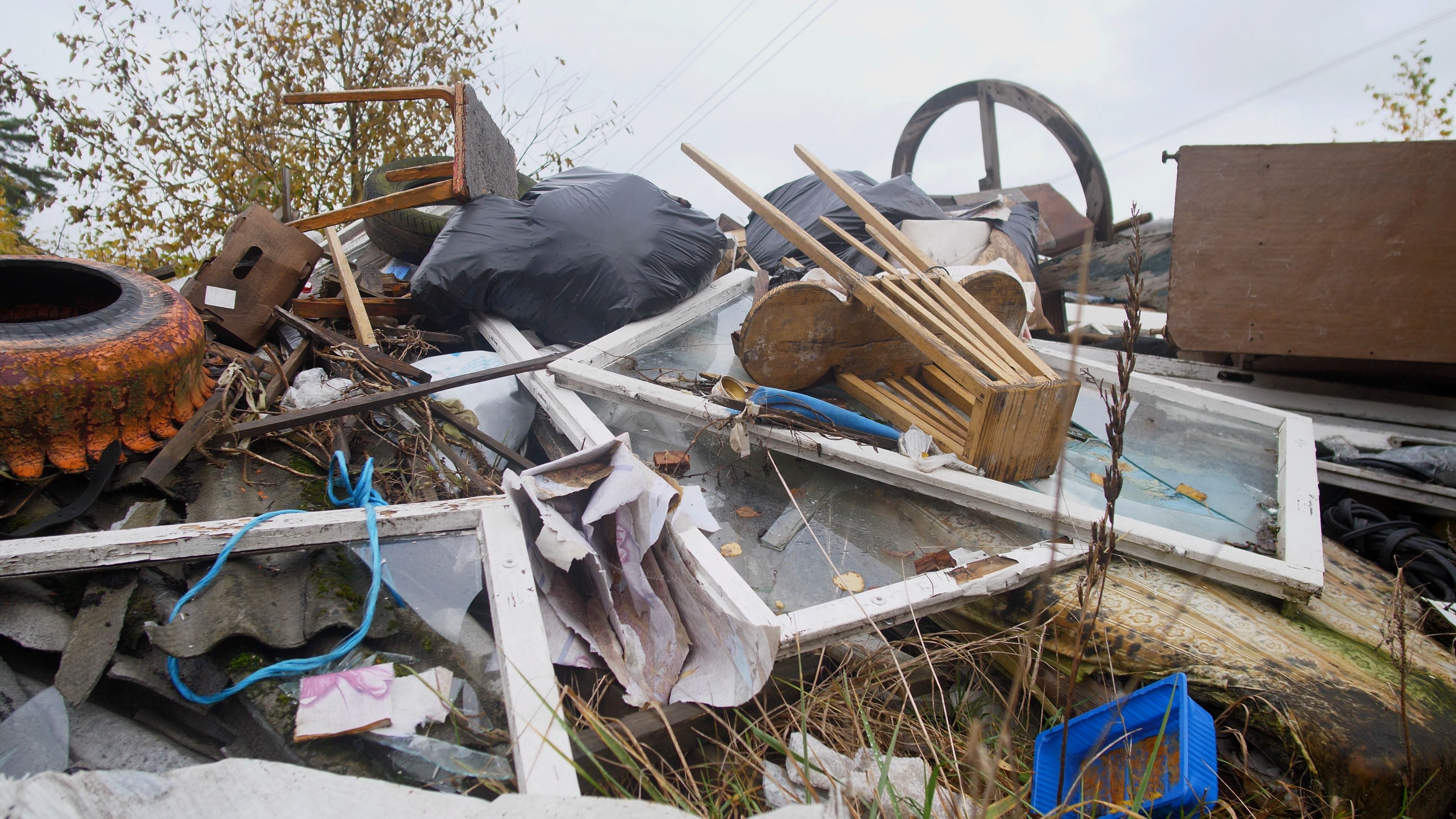
One of the most efficient ways to manage construction debris is by segregating and sorting it into different categories. This can include:
- Recyclables: metals, plastics, and glass
- Reusable materials: wood, bricks, and tiles
- Hazardous waste: chemicals and asbestos
Sorting debris makes it easier to dispose of materials properly and can help reduce disposal costs.
Disposal and Recycling
Once the debris is sorted, the next step is disposal. Partner with licensed waste management companies to ensure proper disposal. Many companies offer recycling services, which can be a more environmentally friendly option.
Recycling not only helps the environment but can also contribute to cost savings by reducing landfill fees and providing materials for future projects.
Implementing Ongoing Maintenance
To prevent debris from accumulating, it’s important to implement ongoing maintenance. Regularly schedule cleanup sessions and train your team on best practices for waste management. Consistent maintenance ensures a safer and more organized work environment.
Encourage workers to clean as they go, reducing the workload at the end of the project and maintaining a tidy site throughout.
Conclusion
Efficiently removing construction debris requires careful planning, the right tools, and a commitment to ongoing maintenance. By following these strategies, you can keep your construction site safe, organized, and compliant with regulations. Remember, a clean site is a productive site, paving the way for successful project completion.