
How to Efficiently Handle Construction Debris: A Step-by-Step Guide


Understanding the Importance of Proper Debris Management
Handling construction debris efficiently is crucial for maintaining a safe and organized worksite. Not only does it ensure compliance with environmental regulations, but it also helps in reducing potential hazards. Proper debris management can lead to cost savings and a more streamlined construction process.
Planning and Preparation
Assess the Type and Volume of Debris
Before beginning any construction project, it's essential to assess the type and volume of debris that will be generated. This includes identifying materials such as wood, concrete, metal, and hazardous waste. Understanding what you're dealing with allows for better planning and resource allocation.
Set Up a Debris Management Plan
Developing a debris management plan is a critical step. This plan should outline procedures for sorting, recycling, and disposing of various types of waste. Establish designated areas for different materials to ensure efficient processing and removal.
Efficient Sorting and Recycling
Implement On-Site Sorting
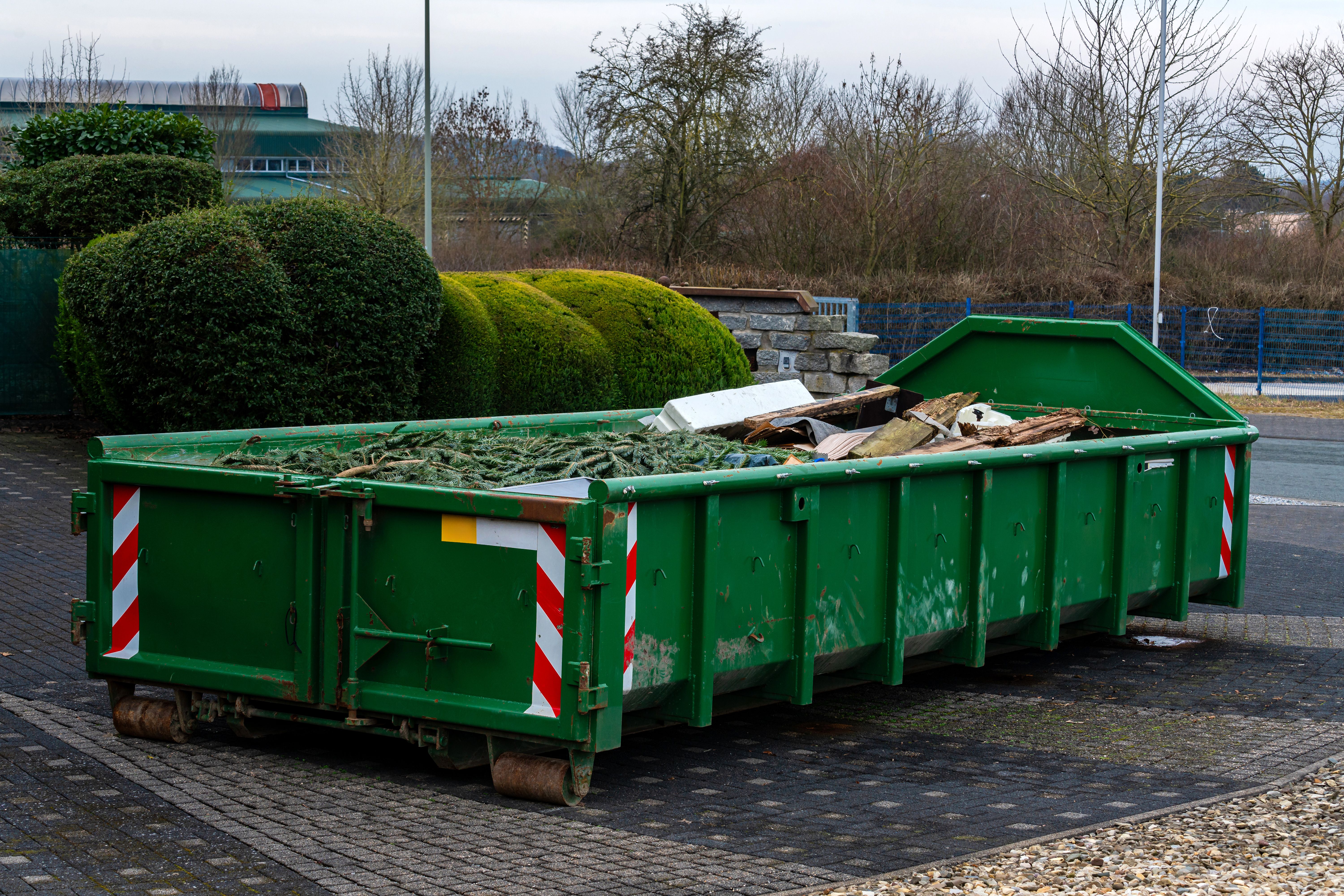
On-site sorting is an effective way to manage construction debris. By separating materials like metal, wood, and plastics at the source, you can streamline recycling efforts and reduce the amount of waste sent to landfills. Utilize labeled bins to aid in quick and accurate sorting.
Collaborate with Recycling Facilities
Partnering with local recycling facilities can enhance your debris management strategy. These facilities can provide guidance on what materials can be recycled and offer pick-up services, reducing the need for additional transportation resources.

Safe Disposal Practices
Adhere to Local Regulations
It's imperative to comply with local regulations regarding debris disposal. This includes understanding permissible disposal sites and methods for hazardous materials. Failure to comply can result in significant fines and project delays.
Use Professional Waste Removal Services
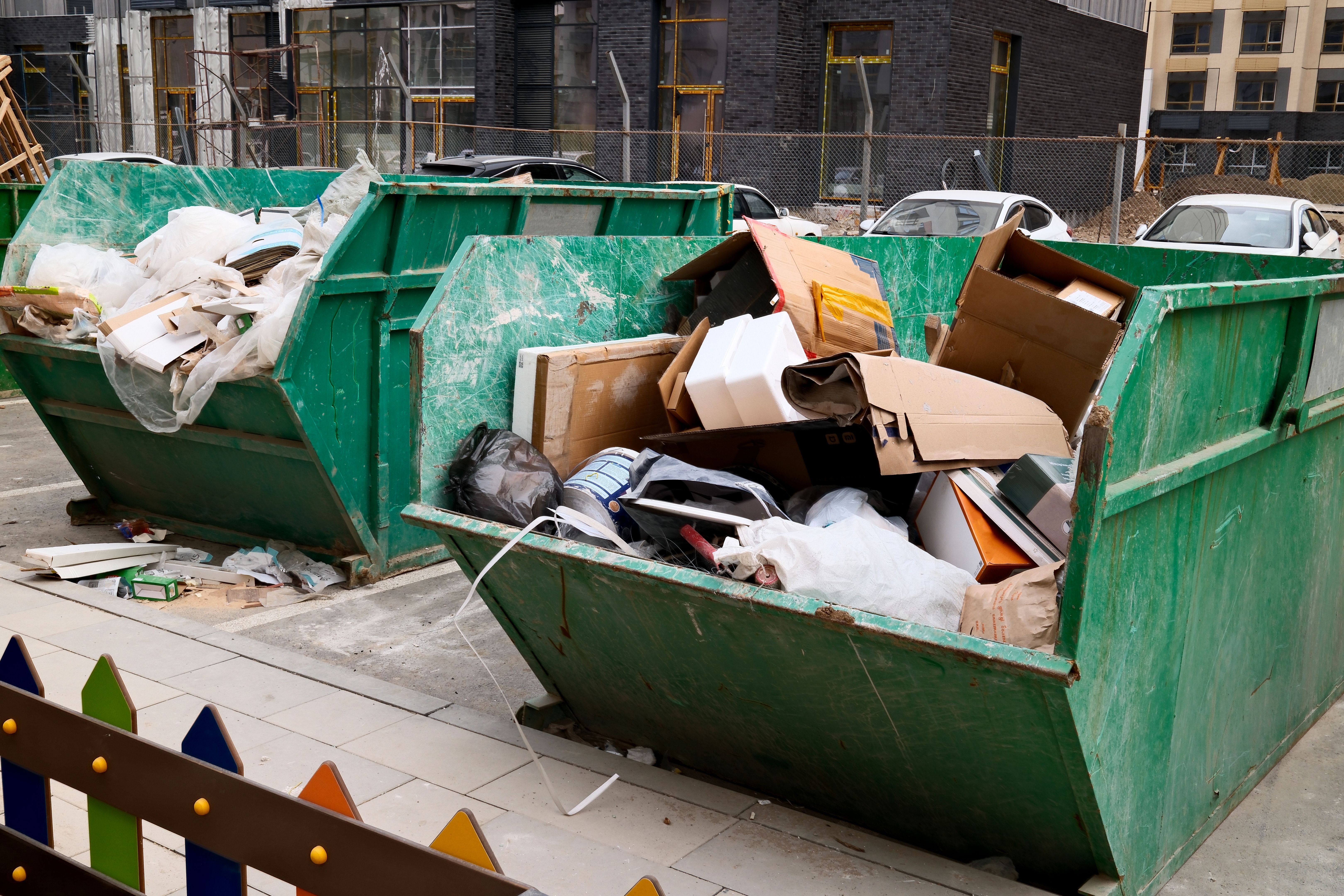
For larger construction projects, hiring professional waste removal services can be beneficial. These services have the expertise and equipment necessary to handle various types of debris safely and efficiently, ensuring that your site remains compliant and clean.
Continuous Improvement and Monitoring
Review and Adjust Debris Management Strategies
Regularly reviewing your debris management strategies allows for continuous improvement. Analyze what is working well and what areas need enhancement. Gather feedback from your team to make informed decisions about necessary adjustments.
Train Your Team
Ensuring that your team is well-trained in debris management practices is essential. Conduct regular training sessions to keep everyone informed about the latest techniques and regulations. A knowledgeable team can significantly enhance the efficiency of your debris handling process.